
Melting snow to blooming buds: late-winter and early-spring holidays

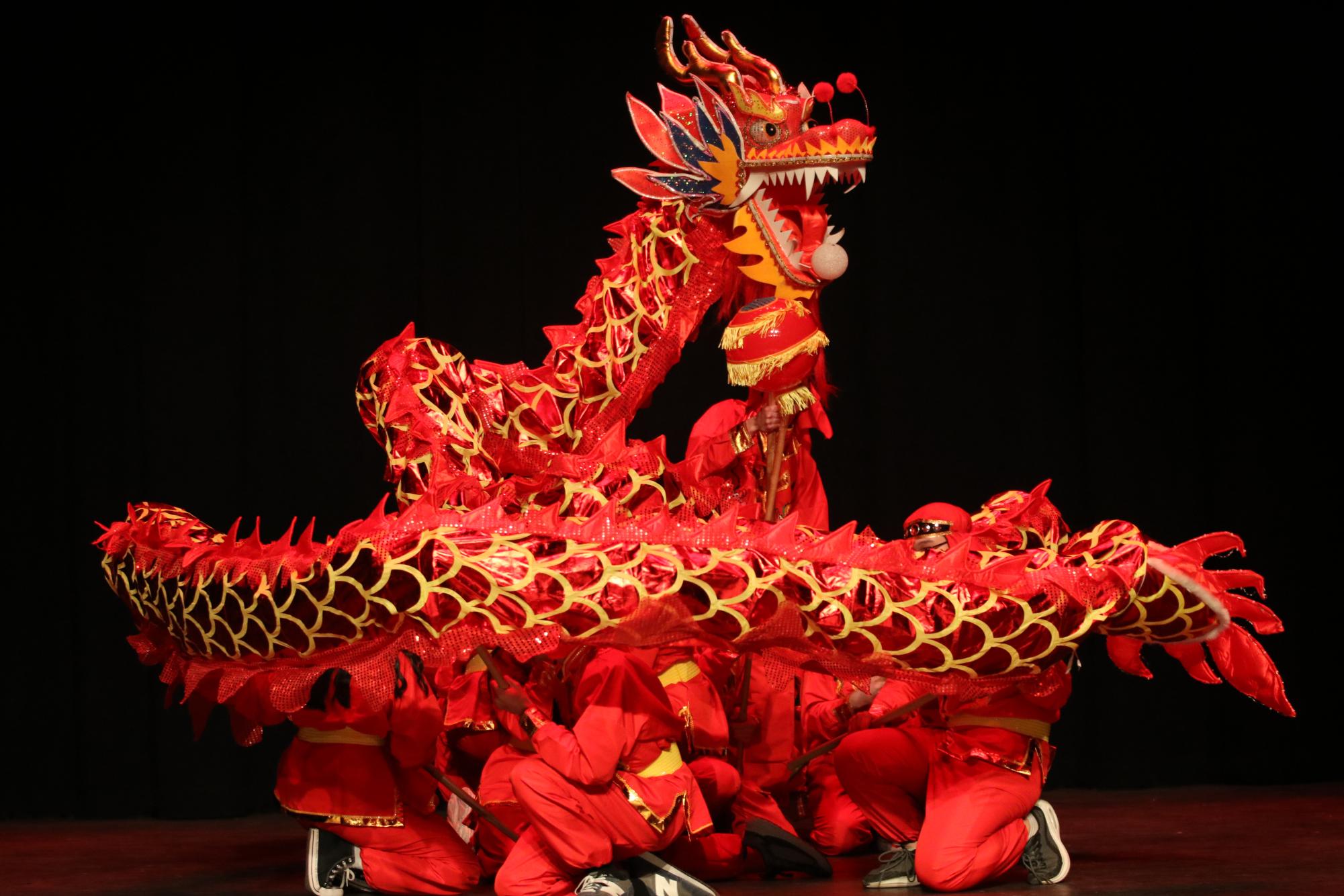
The Lunar New Year is celebrated all over the world, especially in many East and Southeast Asian cultures. Each year in Iowa City, community organizations come together to host galas, events and activities. This year, West High’s Asian Student Union helped organize the inaugural Lunar New Year Gala, which the club’s leadership hopes will be the first of many. The event brought students, families and community members together to celebrate traditions such as cultural performances, food and storytelling that mark the start of the new lunar calendar.
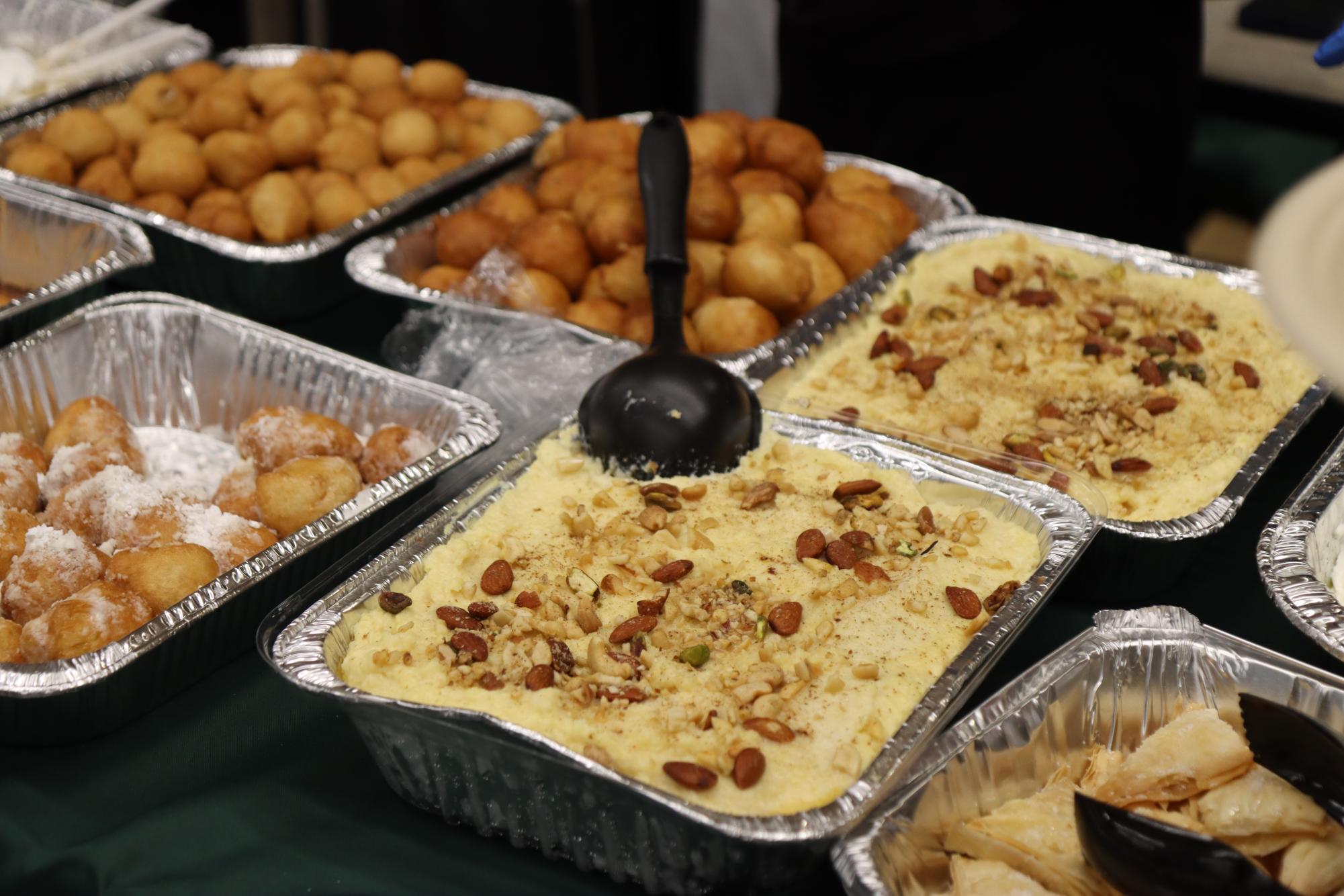
Ramadan is a month of fasting, reflection and communal prayer observed by Muslims around the world. It is the ninth month of the Islamic lunar calendar. During Ramadan, many Muslim students at West follow the tradition of fasting from sunrise to sunset, meaning they do not eat or drink during daylight hours. Lea Abou Alaiwa ’27 shares how Ramadan helps her focus. “It’s a very spiritual thing. Because I’m fasting, I’m not thinking about food and I’m using that energy in other ways like managing my time,” she said.
The meal eaten before sunrise is called suhoor, and the meal that breaks the fast after sunset is called iftar. At West High, the Muslim Student Union hosted a school-wide iftar on Feb. 27, inviting students and staff to share a meal and learn more about the traditions practiced by members of the school community.
Fasting isn’t just about discipline. It’s about sharing the struggles and being grateful for what you have. “Maybe some people can’t afford to eat during those hours. And you need to know how they feel. It forces you to be super grateful and to actually think about what you have,” Abou Alaiwa said. “I need to be really grateful that I can eat at all times of the day and I have this opportunity in front of me.”

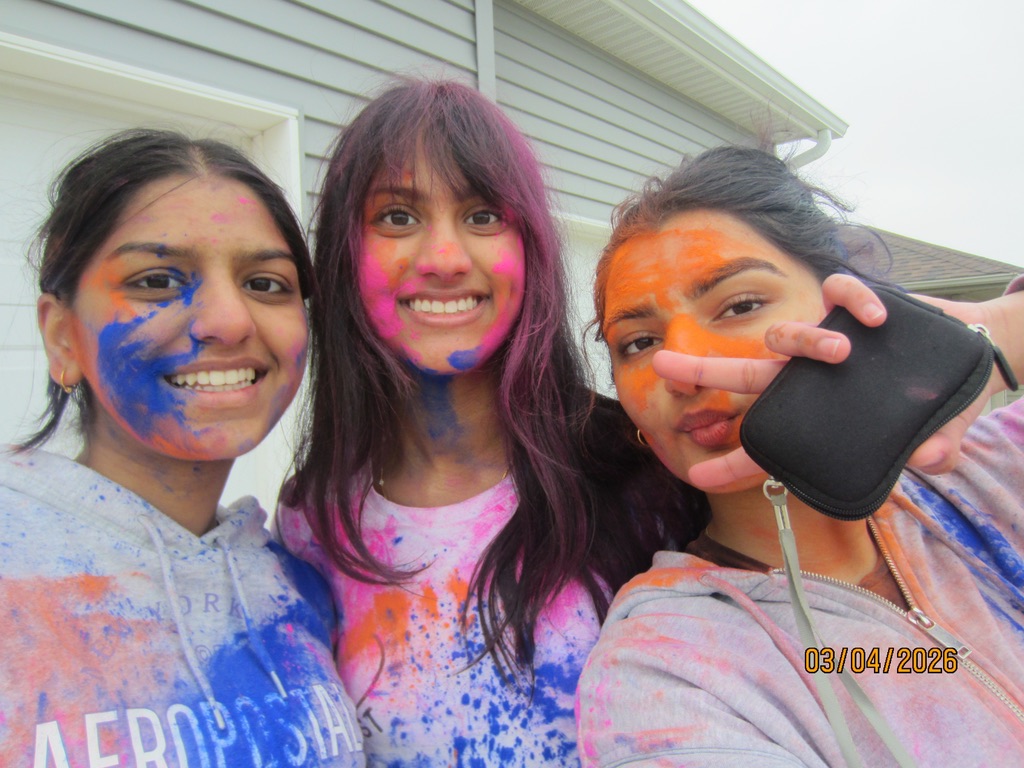
Holi is a Hindu festival known as the “festival of colors,” celebrating the arrival of spring and the triumph of good over evil. Traditionally, people celebrate by throwing brightly colored powders and gathering with friends and family. While large public celebrations often happen in communities around the world, students at West who celebrate Holi may mark the day by spending time with family or attending community events that highlight the holiday’s joyful traditions.
“I was first introduced to Holi by my friend Aarushi. We grabbed colors (powders with bright coloring) and threw them at each other and left a huge mess on my driveway,” said Amy Thomas ’28. “Thankfully, the colors washed away, but I’ll always remember my experience.”


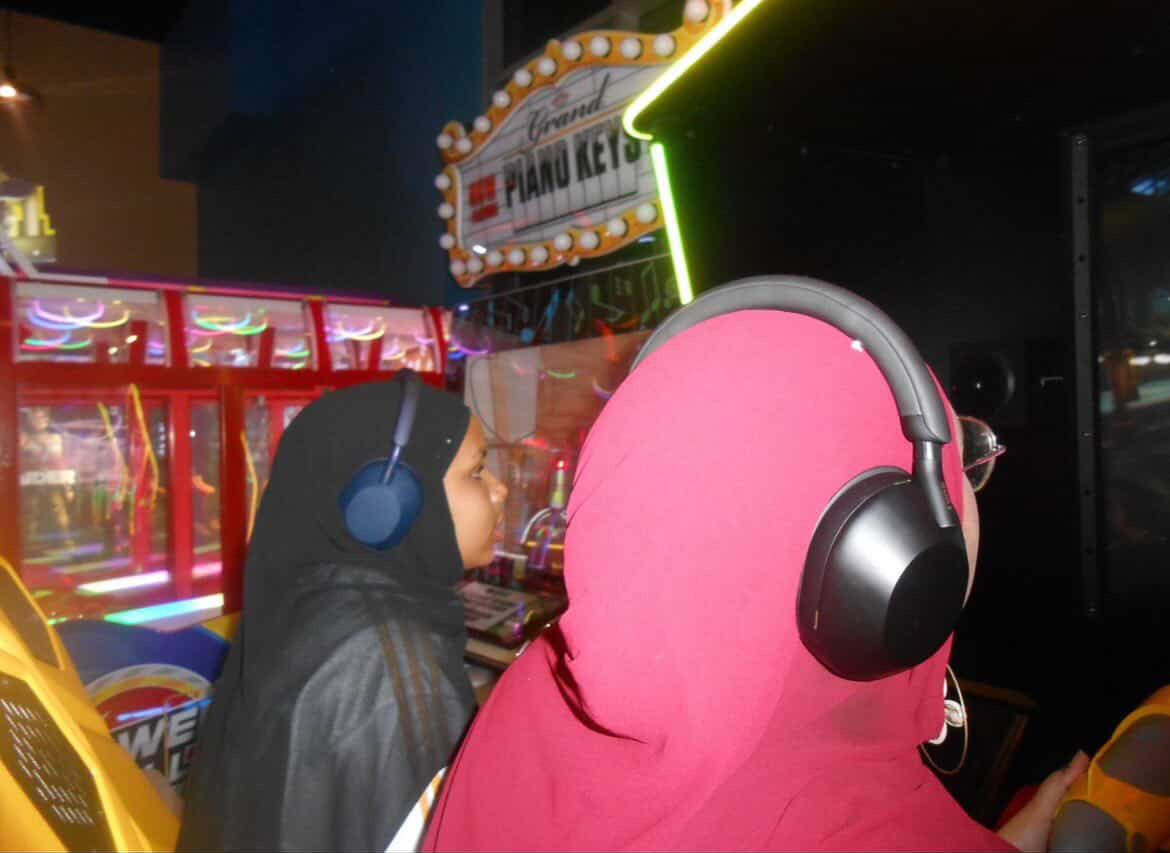
Eid al-Fitr marks the end of Ramadan and celebrates the completion of the month of fasting. Muslims around the world gather for special prayers, meals and time with family and friends.
Vivaan Shamseldin ’29 shares what Eid means to her. “It’s celebrating your achievement, especially if you fasted for 30 days. I’m celebrating that. Self-control during Ramadan is a big thing and I’m proud that I was able to fast for 30 days. Even though it was hard, I did it, and so many people around me did it too,” she said.
Students at West who celebrate Eid may attend morning prayers at their local mosque and spend the day celebrating with their families.
Around Iowa City, many Muslim families gather at mosques to pray in the morning of Eid. “We all meet up at a mosque or a specific place for the morning prayer. Last year, we all came to West and everyone was praying at West, and it’s just kind of like a group prayer where we can all unite,” Shamseldin said.


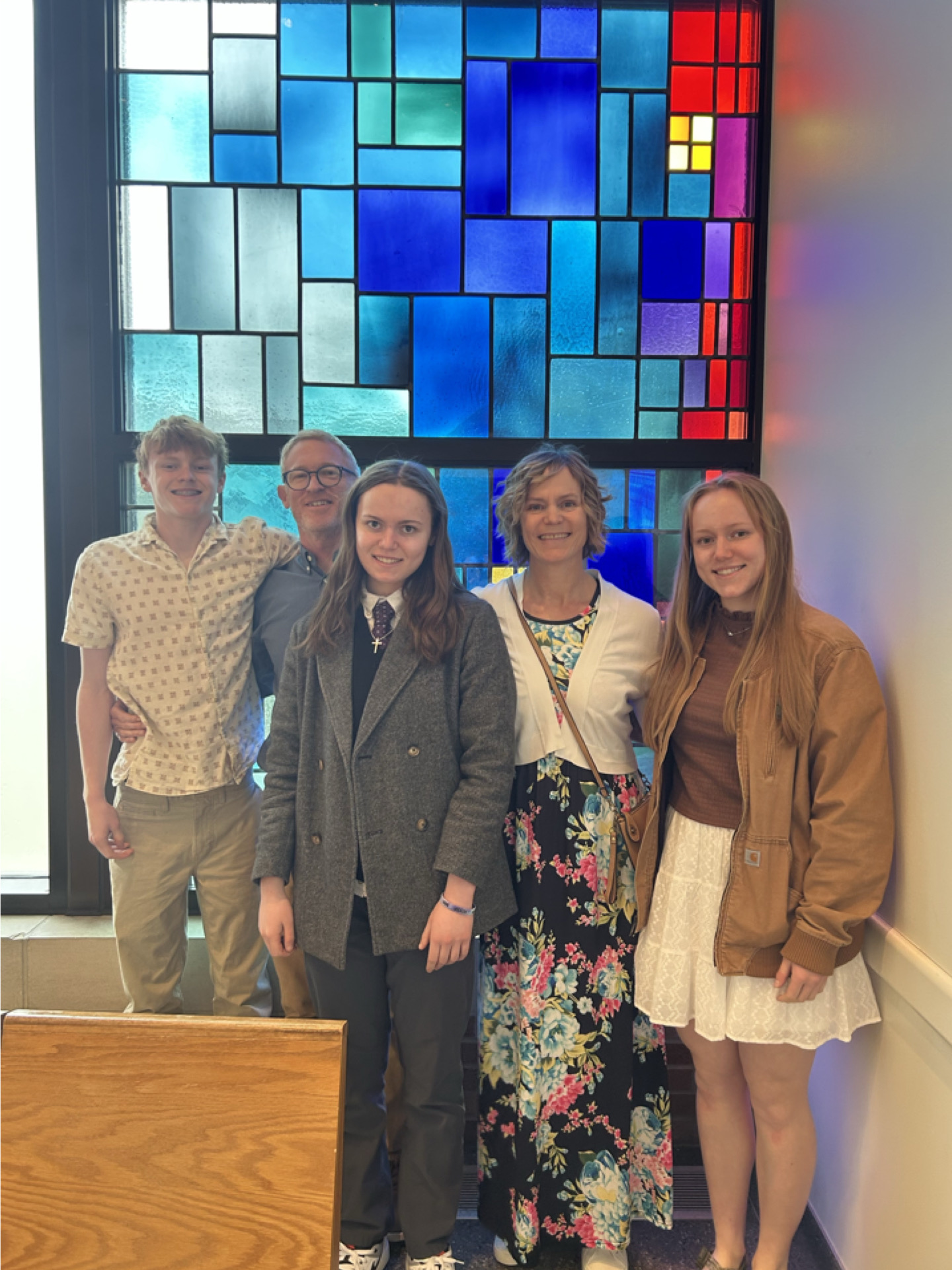
Easter Sunday is one of the most important holidays in Christianity, celebrating the resurrection of Jesus Christ. It marks the conclusion of Lent and is often observed with church services, family gatherings and festive meals. For many Christian students at West High, Easter Sunday represents a time of reflection, faith and celebration with loved ones, while others celebrate with food, egg hunts and gatherings.
Frances Jordan ’26 shares how she celebrates the holiday. “Every year, my family attends an Easter church service in celebration of the resurrection of Jesus Christ,” she said.
The Sunday before Easter is known as Palm Sunday, marking the beginning of Holy Week. Jordan celebrates at her church. “During Palm Sunday, we have palm fronds in church services.”
Your donation will support the student journalists of West High School. Your contribution will allow us to purchase Scholarship Yearbooks, newsroom equipment and cover our annual website hosting costs.
-
 FeatureBetter understanding Iowa's water quality crisis
 -
 FeatureRethinking diets: how West utilizes different eating habits
 -
 FeatureDespite setbacks, Scott Matsen ‘26 fought to achieve his football dream
 -
 FeatureSenior Columns: Class of 2026
 -
 FeatureThe formula for fun: how Renee Gibson came to West High
 -
 FeatureRoad to recovery: the battle against mental health stigma
 -
 FeatureSenior spotlight
 -
 FeatureGoing greek: behind the scenes of University of Iowa sororities and fraternities
 -
 FeatureStanding in the spotlight: Luke Reimer ’27 shares his musical journey
 -
 FeatureThe concussion journey of Amaia Martinez
 -
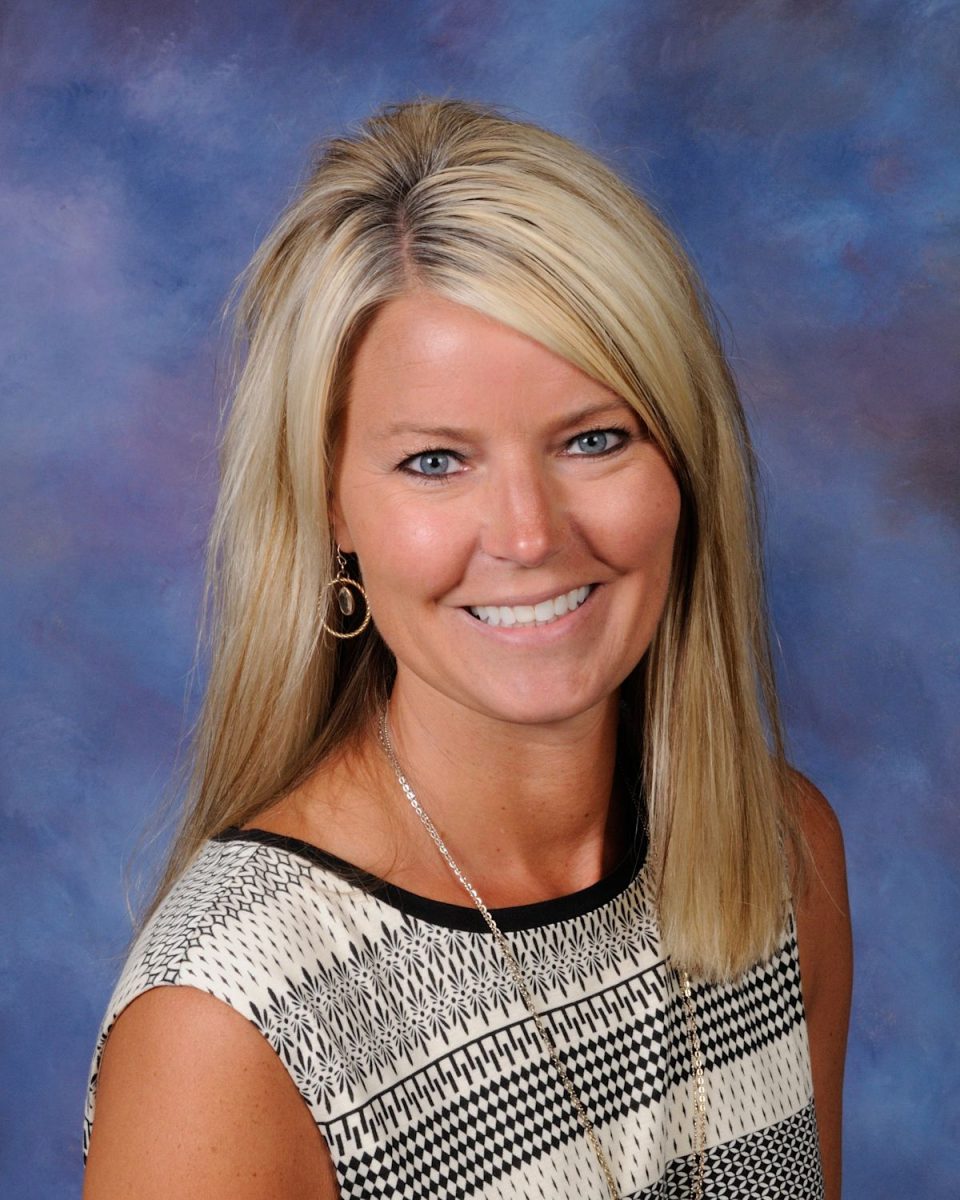 ShowcaseIowa City Community School District announces Interim Superintendent
 -
 ShowcaseThrough the lens: jazz bands perform downtown
 -
 ShowcaseWest orchestras say farewell to seniors at final concert
 -
 ShowcaseThrough the lens: West bands' spring concert
 -
 ShowcaseA look back on 2025-26: moments of excellence
 -
 ShowcaseBudget cuts, loans denied and resignations: A deep dive into the ICCSD’s current financial state
 -
 ShowcaseNow trending: mental health
 -
 ShowcaseDiamond in the rough: how technology is shaping baseball and softball
 -
 ShowcaseWest High baseball shuts out Davenport West 3-0
 -
 ShowcaseWest track and field competes in state meet