
In the sweltering heat and in the freezing cold, citizens of Johnson County line up outside of food banks, each individual hoping to be the lucky recipient of an extra snack in their to-go bags. Whether sweat is dripping off their backs or negative temperatures numb their limbs, they only have one priority: nutritious food. The noticeable impact food insecurity has on our community has become more apparent, correlating with the security rates that have declined since the beginning of the 21st century.
Food insecurity is the lack of reliable, safe access to nutritious food that supports a healthy and active lifestyle. Currently, 42 million Americans are at greater risk of insecurity than ever before, meaning one out of eight Americans eats a meal uncertain of whether they will have enough food for tomorrow. With the One Big Beautiful Bill, implemented by President Trump on July 4, 2025, the Supplemental Nutrition Assistance Program’s funding and requirements changed, cutting 20% of financing — the largest reduction in SNAP history. Now, adults aged 55 to 64 and adults with children over 14 years of age must work a minimum of 20 hours a week to receive benefits. As prices go up, so does the amount of people who have to rely on nutrition assistance. Many food items have doubled or even tripled in cost over the course of 30 years.
Jennifer de la Cruz, the operations manager at the Coralville Food Pantry, highlights the changes at the pantry since SNAP reductions.
“[There were] a lot of people, more than normal, until the demand increased. Then we had to purchase more food to meet that demand. It wasn’t a struggle that more people were coming. It was a struggle that the government wasn’t funding, ” Cruz said.
Shané Ahmedoska, the family services coordinator at the Coralville Community Food Pantry, focuses on having a positive attitude during these difficult times.
“As much as it can be so stressful to meet the demands that we’re seeing, I can only imagine how stressful it is for our shoppers that come,” Ahmedoska said.
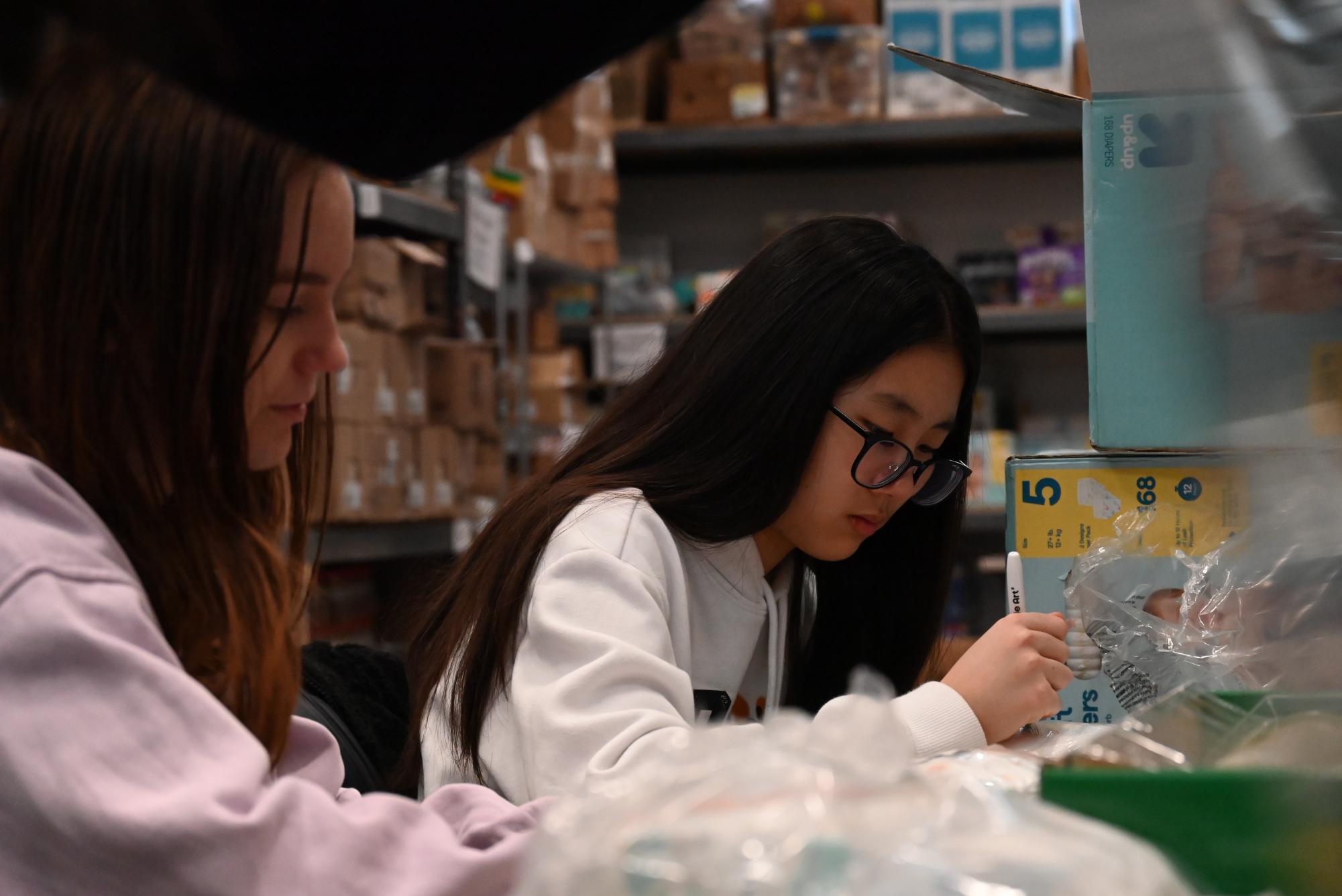
Ella Krupp ’27, a regular volunteer at the CommUnity Crisis Food Bank in Iowa City, witnessed the exact stress families undergo to acquire a simple human right. For her, volunteering has been an enlightening experience that has allowed her to see food insecurity’s direct impact on our community.
“People will wait for hours, and I would go in the summer, and it would be so hot, and people would be waiting outside for them to open,” she said. “When you interact with people in real life, you see these challenges having an impact on people in your community.”
Krupp loves volunteering because she can automatically make a direct impact. Working at the food bank has not only made her an empathetic person but has also helped her gain more gratitude for the resources she has.
“The best part is being able to make someone’s day. Like when someone asks if [you] have something, you can go and search for it for them, and if you can find it, it’s [amazing] the joy that they get,” Krupp said.
A powerful memory she has stems from a small moment when a woman came into the crisis center asking for a specific size of diapers for her infant. When Krupp found them, the happiness that reflected off of the shopper’s face had stuck with her.
“She was just so excited that I had this size diaper for her baby, and it just feels like you’re making a difference,” Krupp said.
According to Dr. Bouen Kim, a professor at the University of Iowa who specializes in public health policies, food insecurity is not affecting a small population of unemployed households, but is instead more widespread than most people believe.
“One common misconception is that food insecurity only affects people who are homeless or unemployed,” Kim said. “In reality, many individuals experiencing food insecurity are working adults and older adults living on fixed incomes.”
Research from “Food Insecurity, Neighborhood Food Environment and Health Disparities: State of the Science, Research Gaps and Opportunities” in the American Journal of Clinical Nutrition shows that neighborhood environments play a large role in accessing nutritious food. Households that live in areas with a lower socioeconomic status are at higher risk of facing food insecurity.
According to Kim, another fallacy is that food insecurity is simply about hunger. “It also involves limited access to nutritious, high-quality foods, which can lead people to rely on cheaper, calorie-dense options,” she said.
Kim says that many people facing risks of food insecurity also use coping strategies, such as trading off between food, housing and healthcare. “Over time, this increases the risk of chronic disease and cognitive decline,” she said.
Even before the One Big Beautiful Bill Act cut SNAP benefits, food insecurity was a persistent problem in the United States. In 2023, 13.5% of families were struggling to place food on the table every day. This is partly due to structural limitations, such as the amount of income produced in a household, especially with the cost of living and recent inflation of prices.
“Food insecurity is usually shaped by multiple challenges at once,” Kim said. “Fixed income, physical disability, limited social support, poor neighborhood food access and transportation barriers often interact and compound one another. It’s really the accumulation of financial strain, health limitations, neighborhood barriers and reduced social support.”
Kim explains that many global crises have had a huge impact on insecurity, contributing to the recent spike in these rates.
“Inflation [has] made it difficult for many families to afford healthy, nutritious food. Economic instability following the COVID-19 pandemic has left many households financially vulnerable,” Kim said. “In addition, global supply chain disruptions have affected food availability and pricing, and climate-related events, such as extreme heat, droughts and floods, have disrupted agricultural production,” she said.
Cruz believes that, regardless of current circumstances, food is a human right that should never be overlooked.
“When you look at someone’s basic needs and what they need before being able to do anything else, food is one of those things that you need to have available before you’re able to exist, right?” Cruz said. “Meeting people where they’re at and understanding that everyone deserves the right to good food, [we should] be able to help [people] with that.”
Coralville Food Pantry
A loud hum from fridges and freezers filled with meals, milk and eggs echoes through the quiet morning silence as empty shelves wait patiently for the first volunteers to restock them. Metal racks line the walls, filled with shelf-stable items such as cereals and canned soups. The middle of the room houses the perishable items, including fresh fruits and vegetables that are replenished daily. However, there is an evident shortage of some items, especially perishable foods that must be supplied consistently.
The Coralville Community Food Pantry, founded in 2009, is a local space where community members can volunteer, donate, help combat food insecurity and get assistance with food. The pantry has many programs to resolve all kinds of needs the community has. Some of which include the Summer Lunch Program, which assists kids 18 or younger in need of lunch when school is out, a Seed Library, a Veggie Connect Program and a community meal, where around 300-600 attendees gather to eat a free meal together.
The pantry also has a Home Delivery service, where Coralville and Tiffin residents can get a free delivery of groceries every week, making the process of getting food one step easier for those in need. The food pantry’s Weekly Food Assistance program provides food to any Coralville, Tiffin, Washington County or Iowa County resident, regardless of income. Community members who reside in North Liberty or Iowa City are recommended to check out the North Liberty Food Pantry or the CommUnity Food Pantry.
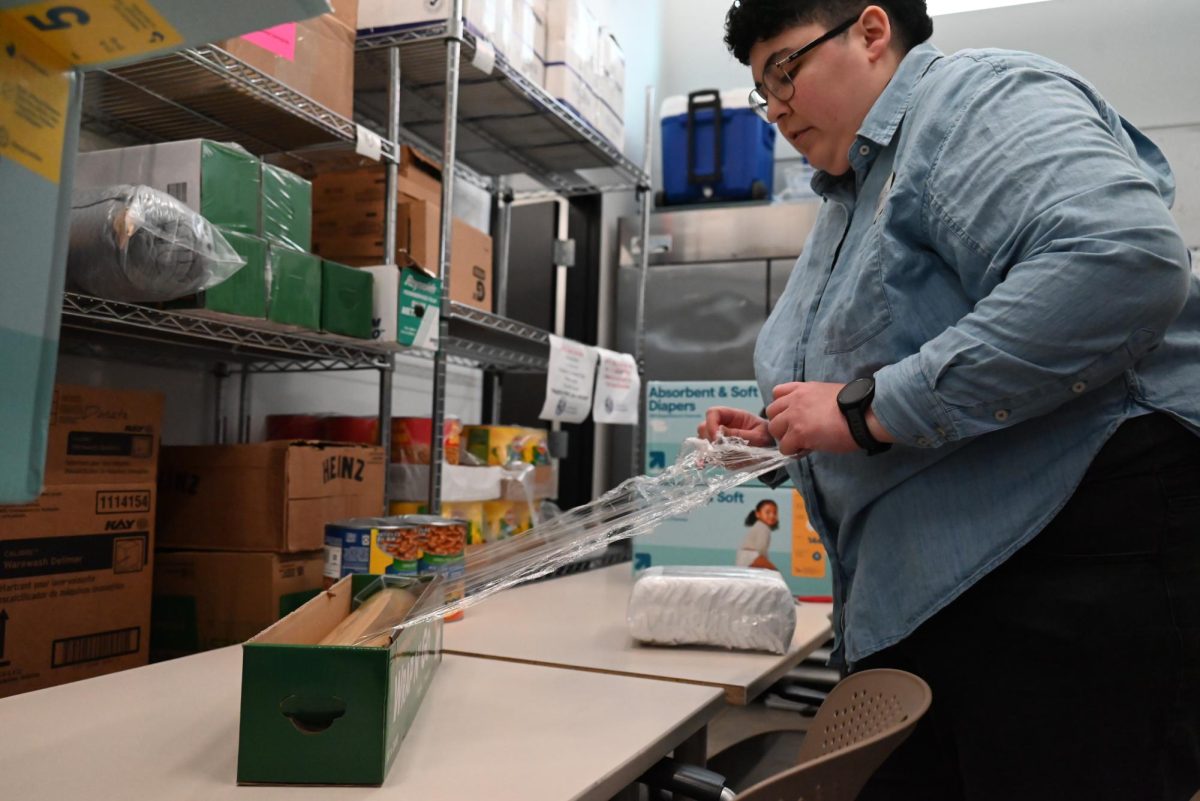
Aurora Shaw ’29 regularly volunteers at the Coralville Food Pantry. She usually goes with her mom about once a month and more frequently in the summer.
“Most times when I go to the food pantry, it’ll be in the mornings, and we will make various types of sandwiches and bagels, which is pretty fun. Other times, we’ll take food from the pantry and stock the library [food pantry] up with food,” Shaw said.
Shaw feels it’s important to help where she can, which is why she’s made an effort to consistently volunteer.
“Everybody deserves to have basic human needs, so we can use the time that we have to help others have a better life,” Shaw said.
West High Food Pantry
As food insecurity increases, students at West High are working towards combating this issue. One of these students is Taleen Rahhal ‘27, who founded the Community Connect Club and the West High Food Pantry. Rahhal has been volunteering at the Coralville Food Pantry for three years and has now become a communications intern and youth ambassador there. This experience inspired her to start a club at West related to her passion for helping others.
Community Connect is the official club of the Coralville Food Pantry, and club members organize events to help them. Around November 2025, SNAP benefits were shut down, and Rahhal expanded her impact by creating the West High Food Pantry to support families in need.
As the government shutdown dragged on into mid-November, food pantries across the country faced shortages. As the need for food increased but the supply decreased, the West High Food Pantry sought to help relieve the strain put on local food pantries. Rahhal organized numerous drives and created Thanksgiving boxes to distribute.
Before volunteering and working at the West High Food Pantry, Rahhal wasn’t aware of just how significant a problem food insecurity is, even in a community as small as West High.
“I didn’t realize how many people within my school community were struggling until seeing the demand. From this, I started to acknowledge the wealth gaps at West and in the community [that] I didn’t even acknowledge prior,” Rahhal said.
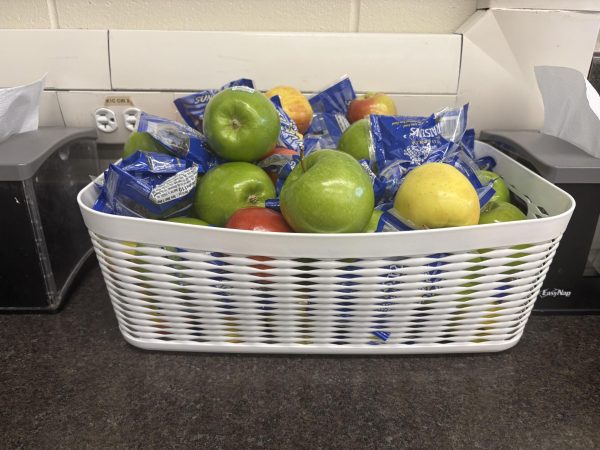
Around early November 2025, when SNAP benefits were cut due to a lack of funding by the government, a share box full of snacks and fresh fruit appeared by the silverware. Students in need can grab a small snack on the go or during lunch.
University of Iowa
Large institutions and organizations play a huge role in addressing food insecurity. Even though current policies have worsened economic stability for most, large establishments like the University of Iowa are working towards helping populations, especially college students, struggling with food insecurity.
Dr. Katharine Broton is an associate professor of Higher Education and Student Affairs at the University of Iowa. She specializes in insecurity needs among college students.
“Food insecurity is a symptom of college unaffordability. Over the past few decades, students and families have taken on a larger share of the total cost of a college education,” Broton said.
Colleges are becoming more aware of this rising problem, and have tried to fund multiple resources to help students struggling. The University of Iowa offers several initiatives to reduce food insecurity on campus, including Hawkeye Meal Share, Food Pantry at Iowa and Student Life Emergency Fund. Broton’s research has shown that these types of programs reduce insecurity while simultaneously promoting academic achievement.
Kim also believes that the University of Iowa plays a role in improving security globally and locally.
“They advance research that helps us better understand food insecurity and informs policy and practice,” Kim said. “Universities partner with local organizations to address food insecurity in the broader community, and they train future healthcare professionals to recognize and respond to food insecurity in both clinical and community settings.”
Most college students are unaware of the resources available to them, even though they’re critical assets in times of need. It’s the University of Iowa’s job to provide for their students, as well as develop research to improve life quality, both of which help address food insecurity.
“Overall, universities have both a social responsibility and a practical role in addressing the root causes of inequity, not only by generating knowledge, but also by taking action locally,” Kim said.


